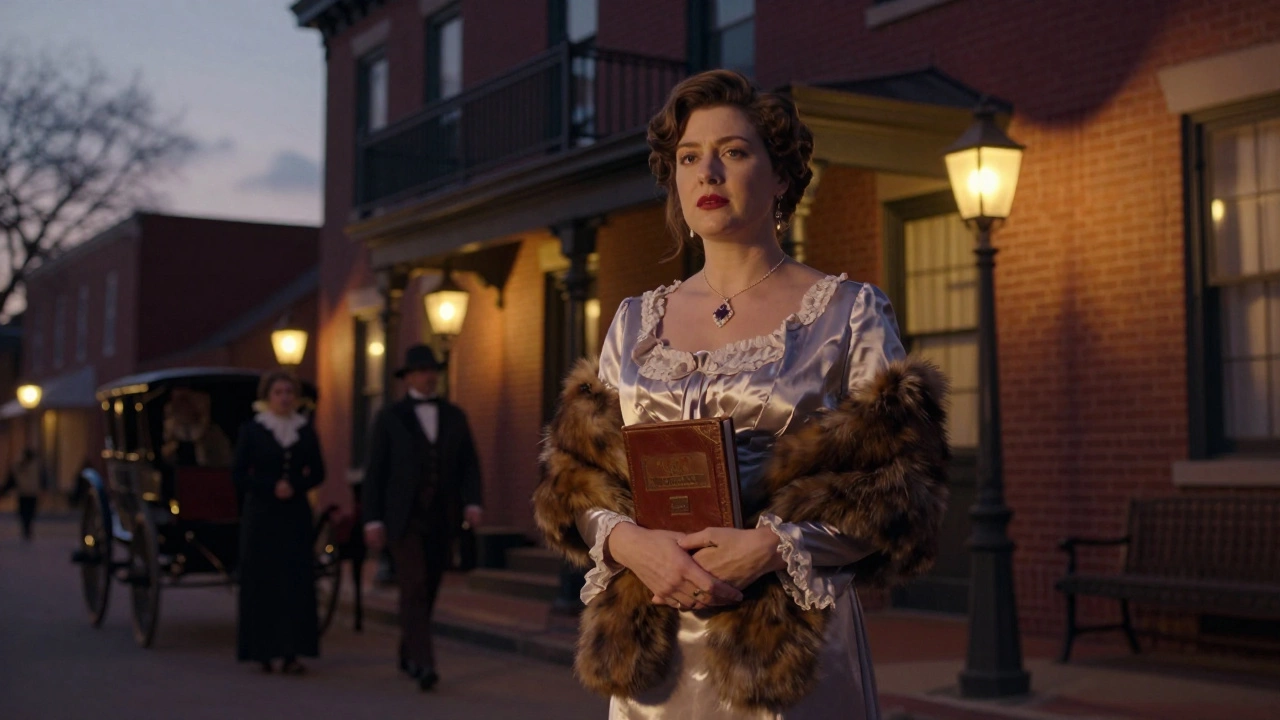
Belle Brezing didn’t start out wanting to be famous. She was born in 1860 in Lexington, Kentucky, the daughter of a struggling brewer and a mother who vanished when Belle was just five. By sixteen, she was working as a chambermaid in a boarding house-barely scraping by. Then came the moment that changed everything: she walked into a brothel on Short Street, not as a customer, but as a worker. What followed wasn’t just survival-it became a business empire. Today, you might hear her name whispered alongside modern escort services paris, but Belle’s story is far deeper than any online listing could capture.
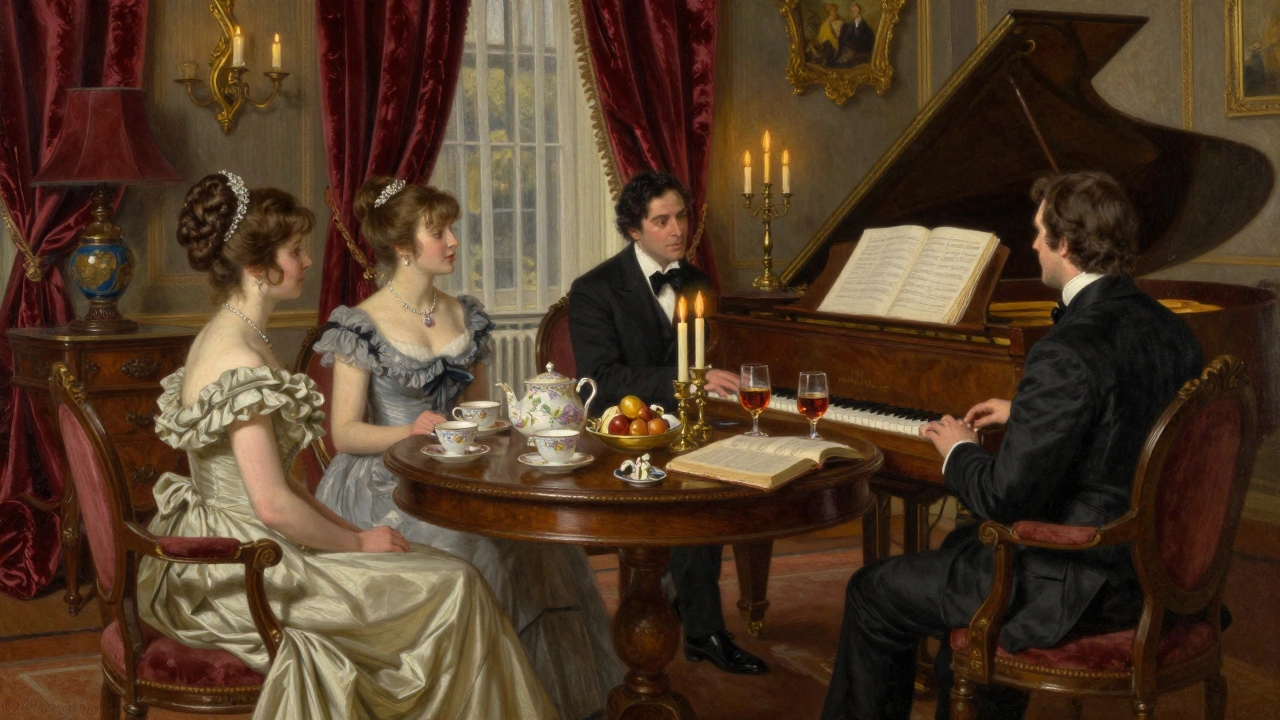
She didn’t just run a brothel. She built a brand. Her establishment, known simply as "The Bawdy House," became the most exclusive in the city. Unlike other houses that catered to sailors and laborers, Belle targeted doctors, lawyers, politicians, and even wealthy industrialists. Her girls were educated, well-dressed, and trained in etiquette. They spoke French, played piano, and knew how to hold a conversation about Shakespeare or the latest railroads. This wasn’t just sex work-it was curated experience. Some even compared her operation to the discreet elegance of escort parıs, though Belle’s version had no fancy app or digital booking system. Just reputation, discretion, and a sharp eye for human nature.
How Belle Turned Scandal Into Success
In the 1880s, prostitution was illegal, but enforcement was patchy. Belle knew the rules of the game: don’t get caught, don’t cause trouble, and never let your girls go unpaid. She paid taxes on her properties-yes, taxes-because she understood that legitimacy came from order, not law. She owned three houses in Lexington, all rented under false names. She kept ledgers. She hired a lawyer. She even had a private line to the police chief, who turned a blind eye in exchange for regular gifts and invitations to dinner.
Her girls were never forced. Many came voluntarily-widows, orphans, women fleeing abusive homes. Belle gave them food, shelter, medical care, and a share of the profits. She once told a reporter, "I don’t sell bodies. I sell comfort. And comfort costs more than a man thinks." That philosophy made her rich. By 1900, she was one of the wealthiest women in Kentucky, with investments in real estate, a horse farm, and a summer cottage in the Blue Ridge Mountains.
The Myth vs. The Reality
People love to romanticize Belle. Some call her the "Queen of the Red-Light District." Others paint her as a feminist pioneer. The truth is messier. She wasn’t fighting for women’s rights. She didn’t join suffrage marches. She didn’t write pamphlets. But she did something more radical: she refused to be ashamed. In a world that called women like her fallen, she stood tall, dressed in silk, and demanded respect. She never apologized for her choices. And in doing so, she forced society to see her as more than a stereotype.
There’s a reason modern escort services still reference her. Not because she had the prettiest girls or the fanciest rooms-but because she understood control. Control over her environment, her staff, her pricing, and her public image. That’s what separates the fleeting trends of escorrt paris from lasting legacy. It’s not about the service. It’s about the system behind it.
Her Downfall Was Quiet
Belle didn’t go to prison. She didn’t get caught in a raid. She didn’t even die in scandal. In 1918, at age 58, she quietly moved to a small house on the outskirts of Lexington. She lived alone. She stopped taking visitors. She gave away her horses and sold her properties. When she died in 1940, the obituary in the Lexington Herald-Leader didn’t mention her past. It just said she was a "kind and private woman who loved her cats."
Her funeral was small. Only seven people showed up. One of them was a former employee who had become a nurse. She brought flowers. No one else did.
Why Her Story Still Matters
Today, sex work is still criminalized in most places. The stigma hasn’t vanished-it’s just moved online. Apps, websites, and private messaging have replaced the parlor and the back door. But the same questions remain: Who gets to decide what’s moral? Who gets to profit? Who gets to be seen as human?
Belle Brezing didn’t have a voice in the newspapers. She didn’t have a podcast or a Twitter account. But she had something better: autonomy. She controlled her life on her own terms. And in a time when women had almost no legal rights, that was revolutionary.
Her story isn’t about glamour. It’s about survival. It’s about turning the most stigmatized job in America into a business that outlasted empires. She didn’t need to be remembered. She just needed to be free.

What Happened to the Women Who Worked for Her?
Most of Belle’s girls didn’t stay forever. Many left after a few years-married, moved west, opened small shops, or became teachers. One became a librarian in Cincinnati. Another ran a boarding house in St. Louis. A few disappeared entirely. Belle never asked where they went. She didn’t keep in touch. But she always paid their final wages, even if they vanished without warning.
She kept a box in her office with their names and the dates they left. No reasons. No judgments. Just facts. When asked about it, she said, "They earned their freedom. I don’t get to own their next chapter."
That box was found after her death. Inside were 87 names. The last entry was dated 1917. The next page was blank.
Legacy in the Shadows
There’s no statue of Belle Brezing. No museum exhibit. No historical marker on Short Street. But if you walk through the old part of Lexington today, you’ll see the brick buildings that once housed her operations. One now holds a coffee shop. Another is a law office. The third is a parking lot.
Yet every year, a few historians, writers, and former sex workers make the pilgrimage. They don’t come for the tours. They come to stand quietly in front of those buildings and remember that someone once turned shame into power.
Her name is rarely spoken aloud. But in the quiet corners of research libraries and underground archives, her story is still being told. Not as a cautionary tale. Not as a scandal. But as proof that even in the darkest corners of society, someone can build something that lasts.
Who was Belle Brezing?
Belle Brezing was a brothel owner in Lexington, Kentucky, during the late 19th and early 20th centuries. She turned her sex work business into a highly profitable and discreet enterprise, known for its elegance and exclusivity. Unlike many in her line of work, she operated with business discipline, owned property, paid taxes, and treated her employees with rare respect. She became one of the wealthiest women in Kentucky without ever seeking public fame.
Did Belle Brezing ever get arrested?
No, Belle Brezing was never arrested. She maintained strong relationships with local law enforcement and city officials, ensuring her operations remained protected. She avoided public scandals, never forced her workers, and kept meticulous records to avoid legal exposure. Her success came from discretion, not defiance.
How did Belle Brezing treat her workers?
Belle treated her workers with unusual care for the time. She provided housing, medical care, education in manners and conversation, and a fair share of profits. Many of her employees left her service after a few years to pursue other lives-marriage, business, or education-and she never interfered. She even paid final wages to those who disappeared without notice.
Why is Belle Brezing compared to modern escort services?
Belle is compared to modern escort services because she built a high-end, client-focused business based on trust, discretion, and quality-not volume. Her clients weren’t looking for random encounters-they wanted refinement, conversation, and reliability. That’s the same value modern high-end services offer, even if the medium has changed from parlors to apps.
What happened to Belle Brezing’s properties after she died?
After Belle’s death in 1940, her properties were sold off gradually. One became a law office, another a coffee shop, and a third a parking lot. None were preserved as historical sites. Her legacy survives only in archives, private letters, and the memories of a few descendants and historians.
If you want to understand modern sex work, don’t look at the apps. Look at Belle Brezing. She didn’t need technology to control her destiny. She just needed courage, intelligence, and the refusal to be defined by others.